

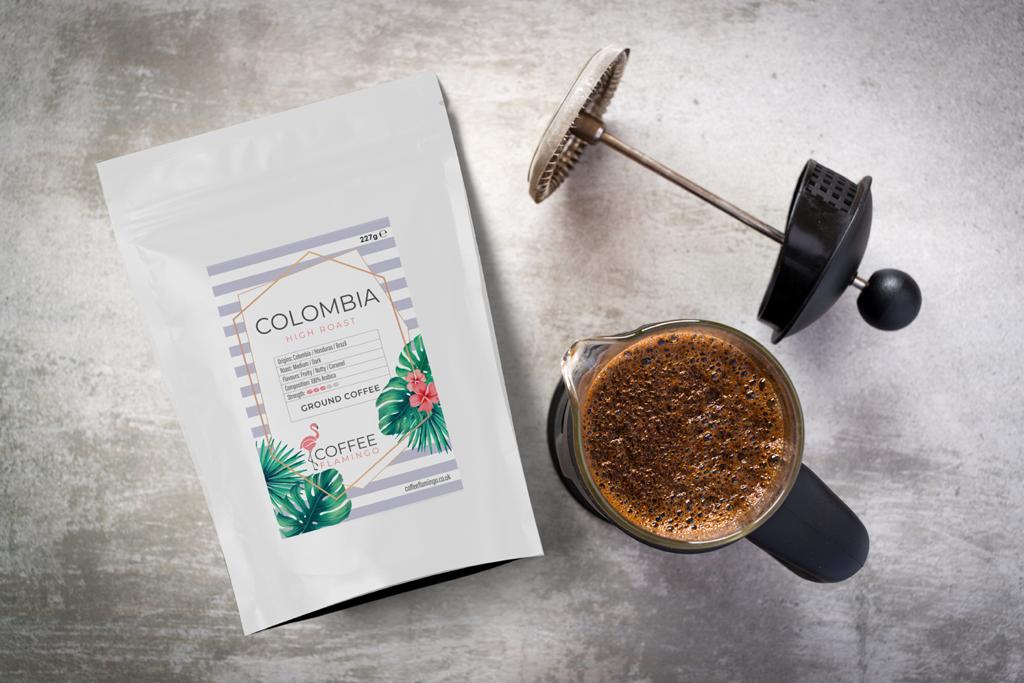
Best Coffee for Cafetière: Everything You Need to Know
A cafetière, also known as a French Press, remains one of the most popular ways to brew coffee at home. It's simple, affordable and capable of producing an exceptionally rich, full-bodied cup when paired with the right coffee beans.
But what exactly is the best coffee for a cafetière?
The answer depends on several factors, including the roast level, bean origin, grind size and, most importantly, freshness.
At Coffee Flamingo, we roast our coffee in small batches to ensure every bag delivers exceptional flavour. Whether you're new to specialty coffee or looking to improve your morning brew, this guide will help you choose the perfect coffee for your cafetière.
Why a Cafetière Produces Such Great Coffee
Unlike paper-filter brewing methods, a cafetière uses a metal mesh filter. This allows the coffee's natural oils and fine particles to remain in the cup.
The result is coffee with:
- More body
- Richer mouthfeel
- Fuller flavour
- Greater sweetness
- A longer finish
Because the coffee is fully immersed in water during brewing, every characteristic of the beans becomes more noticeable. Choosing high-quality, freshly roasted coffee therefore makes a significant difference.
The Best Roast for Cafetière Coffee
Many people assume dark roast is always best.
In reality, the ideal roast depends on your personal taste.
Medium Roast
For most coffee lovers, a medium roast offers the best balance.
Expect:
- Chocolate notes
- Caramel sweetness
- Nutty flavours
- Gentle fruit character
- Smooth finish
Medium roasts showcase the natural flavour of the coffee while remaining wonderfully easy to drink.
Medium-Dark Roast
If you enjoy a stronger cup, medium-dark roasts work beautifully in a cafetière.
Typical tasting notes include:
- Dark chocolate
- Toasted nuts
- Brown sugar
- Rich cocoa
- Molasses
These coffees pair particularly well with milk.
Light Roast
Light roasts can also be exceptional in a French Press.
You'll often experience:
- Citrus
- Floral aromas
- Berry flavours
- Bright acidity
- Tea-like complexity
They are perfect for coffee drinkers looking to explore the distinctive flavours of different origins.
Freshly Roasted Coffee Makes All the Difference
One of the biggest improvements you can make isn't changing your cafetière.
It's buying fresher coffee.
Coffee begins releasing carbon dioxide immediately after roasting and gradually loses many of its aromatic compounds over time.
The sweet spot is typically between 7 and 30 days after roasting, when the beans have had time to rest but still retain vibrant aromas and flavour.
At Coffee Flamingo, our coffee is roasted to order to help ensure it reaches you at its best.
Whole Bean or Pre-Ground?
Whenever possible, buy whole beans and grind them just before brewing.
Freshly ground coffee retains far more aroma than coffee that has been ground days or weeks earlier.
If you don't own a grinder, don't worry.
Coffee Flamingo can grind your coffee specifically for a cafetière, giving you the ideal grind size while preserving as much freshness as possible before dispatch.
Why Grind Size Matters
Grind size has a surprisingly large impact on flavour.
For a cafetière, you should use a coarse grind.
If the coffee is too fine:
- Over-extraction can occur.
- The coffee may taste bitter.
- Sediment increases in the cup.
- Pressing the plunger becomes difficult.
A coarse grind allows for an even extraction while keeping the brew clean and balanced.
Which Coffee Origins Work Best?
Different regions produce very different flavour profiles.
Brazil
Brazilian coffees are famous for:
- Dark Chocolate
- Almonds
- Caramel
- Low acidity
They make an excellent everyday cafetière coffee.
Colombia
Colombian coffees are wonderfully balanced.
Expect:
- Caramel
- Nutty
- Milk chocolate
- Smooth finish
They're ideal if you enjoy sweetness with gentle fruit notes.
Kenya
Looking for something more adventurous?
Kenyan coffees often deliver:
- Wild Berries
- Citrus
- Floral aromas
- More acidic
These are fantastic black and allow a cafetière to showcase their complexity.
Honduras
Guatemalan coffees often provide:
- Cocoa
- Hazelnuts
- Rich and Smooth
They're rich without becoming overly heavy.
How Much Coffee Should You Use?
A common mistake is using too little coffee.
For excellent results, use approximately:
60 grams of coffee per litre of water
This usually translates to:
- 15g coffee for a 250ml mug
- 30g coffee for a 500ml cafetière
- 60g coffee for a 1 litre cafetière
Using scales is one of the easiest ways to improve consistency.
The Perfect Cafetière Brewing Method
- Boil fresh water.
- Allow it to cool for around 30 seconds.
- Add coarse-ground coffee.
- Pour the hot water evenly over the grounds.
- Stir gently.
- Place the lid on without pressing.
- Brew for four minutes.
- Slowly press the plunger.
- Serve immediately.
Avoid leaving coffee sitting in the cafetière after brewing, as it can continue extracting and become bitter.
Common Mistakes to Avoid
Using supermarket coffee months after roasting
Fresh coffee delivers noticeably better flavour.
Grinding too finely
This often causes bitterness and excess sediment.
Water that's too hot
Boiling water can scorch the coffee.
Aim for around 94°C to 96°C.
Leaving coffee in the cafetière
Transfer any remaining coffee into another container if you're not drinking it straight away.
Why Coffee Flamingo Coffee Is Perfect for Cafetières
Every coffee we roast is selected for flavour, freshness and consistency.
When you order from Coffee Flamingo you'll enjoy:
- Freshly roasted coffee
- Carefully sourced beans
- Whole bean or cafetière grind options
- Small-batch roasting
- Coffee delivered directly to your door
- Convenient coffee subscriptions so you never run out
Whether you prefer a smooth Brazilian coffee or a bright Kenyan single origin, you'll taste the difference that freshness makes.
Frequently Asked Questions
What grind is best for a cafetière?
A coarse grind is ideal. It allows even extraction while preventing excessive sediment.
Is dark roast better for a French Press?
Not necessarily. Medium roasts often provide the best balance of sweetness, body and flavour.
Can I use pre-ground coffee?
Yes, but ensure it has been ground specifically for a cafetière. A coarse grind works best.
How fresh should coffee beans be?
For most coffees, between 7 and 30 days after roasting offers excellent flavour and aroma.
Should I buy whole beans?
Yes. Grinding immediately before brewing preserves far more flavour than buying coffee that's already ground.
Discover Better Coffee with Coffee Flamingo
The best cafetière coffee starts long before you pour the water.
Choosing freshly roasted beans, the correct grind and a quality roast profile transforms an everyday cup into something genuinely memorable.
At Coffee Flamingo, we're passionate about helping people enjoy exceptional coffee at home. Explore our range of freshly roasted coffees, choose whole bean or cafetière grind, or subscribe to have your favourite coffee delivered straight to your door.


