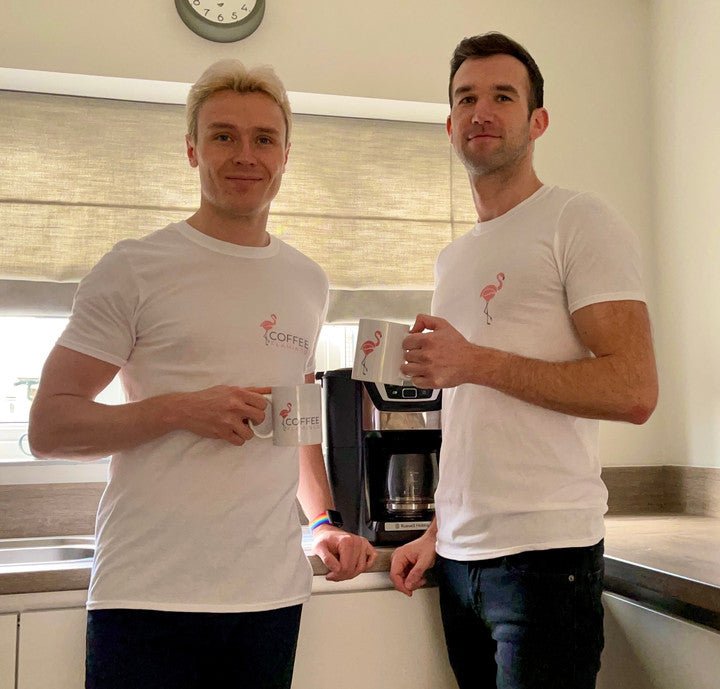

Pandemic sparks ‘flamboyant’ dream

Related Posts
The Beginner's Guide to Speciality Coffee: Everything You Need to Know
Walk into an independent coffee shop or browse the website of a speciality coffee roaster and you'll quickly come across the phrase "speciality coffee." But what does it actually mean?
Learn moreArabica vs Robusta Coffee: What's the Difference and Which Is Better?
Arabica vs Robusta Coffee: What's the Difference? If you've ever shopped for coffee, you've probably seen the terms Arabica and Robusta on coffee bags or café menus. But what do they actually mean? Is one better than the other? Does Arabica really taste smoother? Does Robusta contain more caffeine? The truth is that both coffees have their place, but they offer very different drinking experiences. In this guide, we'll explain the key differences between Arabica and Robusta coffee beans so you can make an informed choice and discover which suits your taste. At Coffee Flamingo, we believe understanding your coffee helps you enjoy every cup even more. What Is Arabica Coffee? Arabica coffee comes from the species Coffea arabica and accounts for around 60 to 70% of the world's coffee production. It grows best at higher altitudes where cooler temperatures allow the cherries to mature slowly, developing more complex flavours. Arabica is prized by speciality coffee roasters because of its delicate balance, sweetness and aromatic character. Typical flavour notes include: Milk chocolate Caramel Citrus Stone fruits Berries Floral notes Honey Nuts Most speciality coffee you'll find in independent cafés and artisan roasteries is made using 100% Arabica beans. What Is Robusta Coffee? Robusta comes from the species Coffea canephora. As the name suggests, it's a much hardier plant. Robusta trees are: More resistant to pests. Easier to grow. Better suited to warmer climates. Generally higher yielding. These advantages often make Robusta less expensive to produce. Its flavour, however, is quite different. Typical Robusta characteristics include: Earthy notes Woody flavours Dark chocolate Bitterness Nutty character Some high-quality Robustas are excellent, but lower-grade Robusta is commonly used in instant coffee and mass-produced blends. Arabica vs Robusta: Flavour Comparison For most coffee lovers, flavour is the biggest difference. Arabica Expect: Smooth body Natural sweetness Bright acidity Complex aromas Layered flavours Arabica rewards slower brewing methods such as: Cafetière Pour-over Filter coffee AeroPress Its subtle characteristics shine through when brewed carefully. Robusta Robusta generally produces: Strong body Low acidity Bitter finish Heavy mouthfeel Bold flavour This makes it popular in traditional Italian espresso blends, where it contributes body and crema. Which Coffee Has More Caffeine? This is one of the biggest differences. Robusta typically contains around twice as much caffeine as Arabica. The higher caffeine content acts as a natural defence against insects and disease. If you're looking for a stronger caffeine hit, Robusta usually delivers more. However, more caffeine doesn't automatically mean better coffee. Many coffee drinkers prefer Arabica because of its smoother, sweeter flavour. Why Is Arabica More Expensive? Arabica requires more care throughout its journey. It generally: Grows at higher elevations. Produces lower yields. Is more susceptible to pests. Requires more selective harvesting. These factors increase production costs. For speciality roasters, however, the extra effort is worthwhile because of the superior cup quality. Which Coffee Produces Better Crema? If you've ever admired the rich golden crema on an espresso, Robusta often plays a role. Its higher levels of proteins and oils help create: Thicker crema. Longer-lasting crema. Fuller body. Many traditional espresso blends include a small percentage of Robusta for this reason. Arabica, meanwhile, produces a finer, more delicate crema while offering greater flavour complexity. Arabica vs Robusta at a Glance Feature Arabica Robusta Flavour Sweet, balanced, complex Bold, earthy, bitter Acidity Medium to high Low Caffeine Lower Higher Aroma Floral and fruity Nutty and earthy Growing Altitude Higher Lower Price Usually higher Usually lower Common Use Speciality coffee Espresso blends, instant coffee Which Is Better for Different Brewing Methods? Cafetière Arabica allows delicate flavours and natural sweetness to develop beautifully. Filter Coffee Single-origin Arabica often produces exceptional clarity and complexity. Espresso Both can work well. Arabica delivers sweetness and balance. Blends containing some Robusta add body and crema. Milk-Based Drinks Medium and dark roast Arabica coffees pair wonderfully with milk, while Robusta blends create a bolder flavour that stands out in lattes and cappuccinos. Does Higher Caffeine Mean Better Coffee? Not at all. The quality of a coffee depends on many factors, including: Variety. Origin. Processing method. Roasting. Freshness. Brewing technique. Many award-winning coffees contain less caffeine than commercial blends because flavour, not caffeine, is the priority. Why Coffee Flamingo Focuses on Quality At Coffee Flamingo, we believe every cup should be enjoyable from the first sip to the last. That's why we carefully source beans for their flavour, character and consistency before roasting them in small batches. Fresh roasting allows the natural sweetness, chocolate notes, fruit flavours and aroma to shine through, giving you a coffee that's rich in taste rather than simply high in caffeine. Whether you're brewing with a cafetière, espresso machine or filter brewer, fresh coffee makes all the difference. Frequently Asked Questions Which is better, Arabica or Robusta? Neither is objectively better. Arabica is generally preferred for its smooth, complex flavour, while Robusta offers higher caffeine and a bolder taste. Does Robusta have more caffeine? Yes. Robusta typically contains around twice as much caffeine as Arabica. Why is Arabica more expensive? Arabica is more difficult to grow, produces lower yields and requires more careful cultivation. Is all speciality coffee Arabica? Most speciality coffee is made from Arabica beans because of their superior flavour potential. Which coffee should beginners choose? Most people new to speciality coffee enjoy medium-roast Arabica because it offers a balanced combination of sweetness, body and gentle acidity. Discover Exceptional Coffee with Coffee Flamingo Understanding the difference between Arabica and Robusta is the first step towards finding the coffee you'll love. Whether you enjoy a smooth chocolatey brew to start your morning or an espresso with bright fruit notes, choosing freshly roasted, high-quality beans will always have a bigger impact than simply choosing between species. At Coffee Flamingo, every coffee is roasted with care to bring out its unique character. Explore our range of freshly roasted coffees, discover your favourite flavour profile and enjoy coffee delivered directly to your door or through one of our flexible subscriptions. Freshly roasted. Carefully selected. Exceptionally flavourful.
Learn moreDoes Dark Roast Have More Caffeine? The Truth Might Surprise You
Does Dark Roast Have More Caffeine? It's one of the most common questions asked by coffee drinkers: Does dark roast coffee have more caffeine than light roast? The short answer is no, not really. Many people believe that the stronger, bolder taste of dark roast coffee means it contains significantly more caffeine. In reality, roast level has surprisingly little impact on the amount of caffeine in your cup. In this guide, we'll explain where the myth comes from, how roasting affects coffee and what actually determines your caffeine intake. At Coffee Flamingo, we're passionate about helping our customers enjoy great coffee with confidence, whether you love a bright light roast or a rich dark roast. Why Do People Think Dark Roast Has More Caffeine? The confusion is understandable. Dark roast coffee has: A stronger aroma Deeper colour Richer body More pronounced roasted flavours Many people naturally associate these characteristics with a stronger caffeine hit. However, flavour intensity and caffeine content are two completely different things. A bold-tasting coffee isn't necessarily higher in caffeine. What Happens During Roasting? Coffee begins as a green bean with naturally occurring caffeine. During roasting, the beans are heated to temperatures of around 200°C. This process develops: Aroma Sweetness Body Acidity Colour Flavour Despite these dramatic changes, caffeine is remarkably stable. The roasting process removes moisture and changes the bean's structure, but very little caffeine is lost. So Which Roast Has More Caffeine? The honest answer is: Almost neither. If you compare two coffees brewed using the same weight of beans, the caffeine difference is so small that most people would never notice it. In other words: 18g of light roast and 18g of dark roast contain very similar amounts of caffeine. For everyday brewing, the difference is practically insignificant. Why the Confusion About Volume? This is where things become interesting. Dark roasted beans expand more during roasting. That means they become: Larger Less dense Lighter in weight If you measure coffee using a scoop instead of kitchen scales, you'll fit fewer grams of dark roast into that scoop because the beans take up more space. As a result: One scoop of light roast may contain slightly more caffeine simply because it contains more coffee by weight. This isn't because light roast is naturally stronger. It's simply a matter of density. For the most consistent brewing, always measure coffee by weight rather than by volume. Does Dark Roast Taste Stronger? Yes, and this is where the myth originates. Dark roast coffee often delivers flavours such as: Dark chocolate Cocoa Toasted nuts Caramel Smoke Molasses These bold flavours create the impression of a stronger coffee. Light roast coffees, by comparison, tend to showcase: Citrus Berries Stone fruit Floral notes Honey Tea-like complexity The flavour is lighter and brighter, but the caffeine level remains very similar. What Actually Affects Caffeine Content? Several factors influence how much caffeine ends up in your cup. 1. Coffee Variety This has one of the biggest impacts. Robusta beans naturally contain around twice as much caffeine as Arabica beans. That's why many commercial espresso blends include Robusta for an extra caffeine boost. At Coffee Flamingo, we carefully select quality beans that prioritise flavour and balance. 2. Brewing Method Different brewing methods extract different amounts of caffeine. Generally speaking: Espresso delivers a concentrated shot. Cafetière produces a rich, full-bodied cup. Check out our blog in the best coffee for cafetiere. Filter coffee often extracts more caffeine per serving because of the larger volume of water. The method you choose influences your final drink more than the roast level itself. 3. Coffee-to-Water Ratio Using more coffee naturally increases caffeine. For example: 15g of coffee contains less caffeine than 20g of the same coffee. Consistency is key, so weighing your coffee helps you achieve repeatable results. 4. Serving Size A large mug usually contains more caffeine than a small espresso simply because you're using more coffee overall. It's another reminder that portion size matters just as much as roast level. Which Roast Should You Choose? Rather than focusing on caffeine, choose the roast that suits your taste. Light Roast Ideal if you enjoy: Bright acidity Fruity flavours Floral aromas Single-origin coffees Medium Roast A favourite for many coffee lovers because it offers: Chocolate notes Caramel sweetness Balanced acidity Smooth finish Medium roasts work brilliantly across cafetières, filter brewers and bean-to-cup machines. Dark Roast Perfect if you prefer: Rich chocolate Bold flavour Lower perceived acidity Full body Dark roasts pair especially well with milk-based drinks such as cappuccinos and lattes. Does Dark Roast Burn the Caffeine Away? No. Although roasting changes the bean's appearance and flavour dramatically, it doesn't destroy enough caffeine to create a meaningful difference in your daily cup. The biggest changes are in taste, aroma and body, not caffeine. Common Myths About Coffee and Caffeine Myth: Dark roast has much more caffeine. False. Both roast levels contain very similar amounts of caffeine when measured by weight. Myth: Strong flavour means more caffeine. False. Strength of flavour comes from roasting and brewing, not necessarily caffeine. Myth: Espresso has the most caffeine. Partly true. Espresso has the highest caffeine concentration, but a large mug of filter coffee often contains more total caffeine. Coffee Flamingo's Advice Instead of choosing coffee based on caffeine myths, choose coffee you'll genuinely enjoy drinking. At Coffee Flamingo, we roast every batch to highlight its natural character, whether that's a smooth medium roast with chocolate and caramel notes or a darker roast with rich cocoa and toasted nut flavours. The right coffee isn't the one with the most caffeine. It's the one you'll look forward to brewing every morning. Frequently Asked Questions Does dark roast have more caffeine than light roast? No. When measured by weight, the caffeine difference is minimal. Why does dark roast taste stronger? Dark roasting develops bold flavours such as chocolate, cocoa and toasted notes, creating the impression of a stronger coffee. Which coffee has the most caffeine? Robusta beans naturally contain significantly more caffeine than Arabica beans. Does roasting remove caffeine? Only a tiny amount. Roast level has very little effect on caffeine content. Should I choose coffee based on caffeine? Most coffee lovers are better served choosing a roast based on flavour preferences rather than caffeine content. Find Your Perfect Roast with Coffee Flamingo Whether you're drawn to the bright fruitiness of a light roast, the balanced sweetness of a medium roast or the bold richness of a dark roast, every cup should be about enjoyment. At Coffee Flamingo, we roast in small batches to bring out the very best in every bean. Explore our range of freshly roasted coffees, discover your favourite roast profile and enjoy coffee delivered straight to your door or through one of our flexible subscriptions. Freshly roasted. Expertly crafted. Brewed your way.
Learn more
